

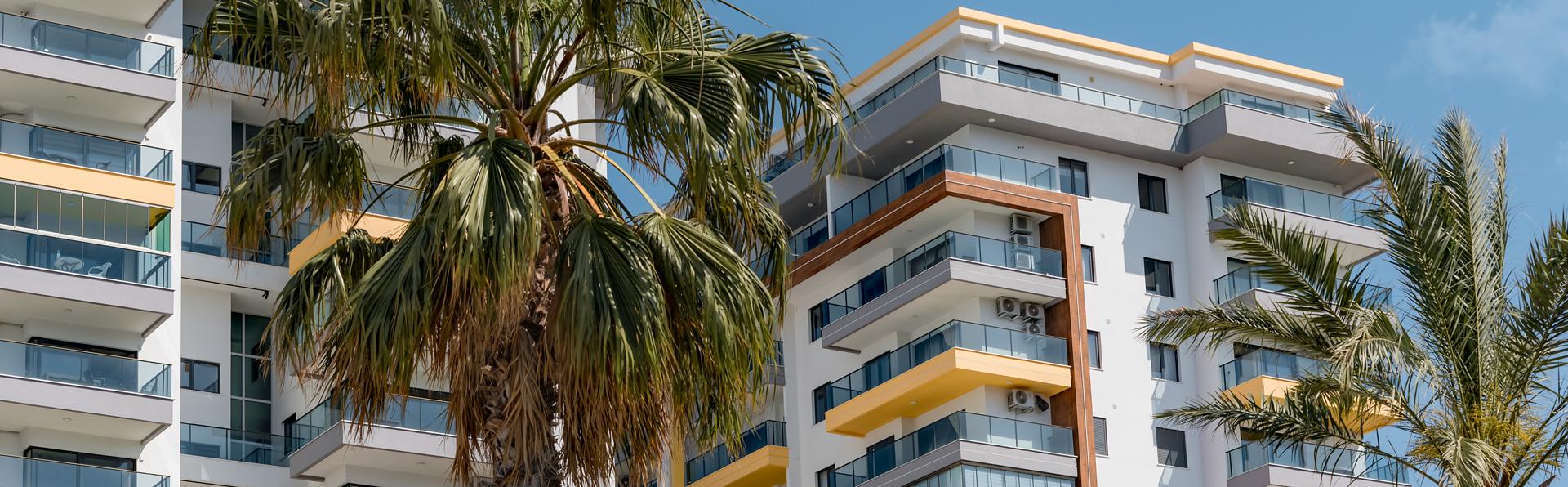
Morocco’s real estate market has been undergoing profound transformations in recent years. Rapid urbanization, large-scale infrastructure projects, a strong tourism appeal, and growing housing demand are reshaping the sector. But what lies ahead by 2030? This article outlines the major trends and perspectives that will define the future of Moroccan real estate.
By 2030, more than 70% of Morocco’s population is expected to live in urban areas. This demographic shift will drive strong demand for housing, office space, and infrastructure.
While a broad surge in property prices is unlikely, the market is expected to see differentiated growth:
The ecological transition will be a defining factor. By 2030, environmentally responsible construction will no longer be optional but a standard.
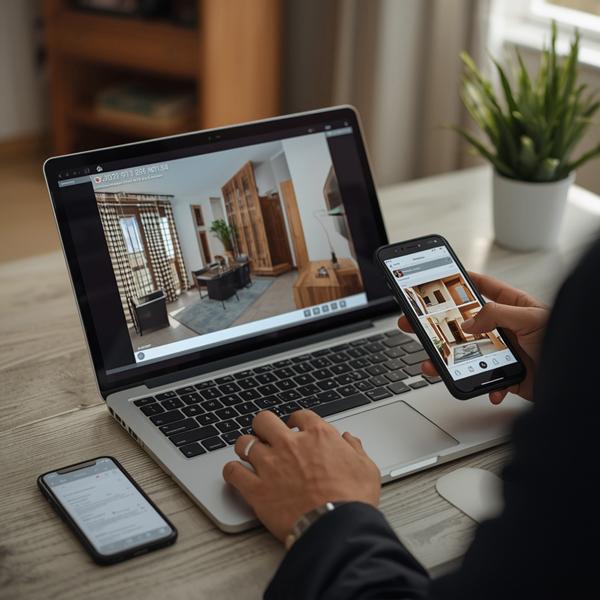
Digitalization will be fully embedded in Morocco’s real estate sector by 2030:
By 2030, Morocco’s real estate market will open new high-potential avenues:
Looking ahead to 2030, Moroccan real estate will be characterized by accelerated urbanization, selective demand, an unavoidable ecological transition, and full-scale digitalization. For investors, this represents a unique opportunity to anticipate structural shifts and strategically target the most promising segments.
With its modernization in progress, Morocco’s real estate sector will continue to stand as a cornerstone of the national economy and a highly attractive destination for both domestic and international capital.